
Does Fish Taste Better if a Robot Kills It?
Welcome to Buffet Magazine, an independently owned digital food magazine. Our Tuesday editions are where we feature great writing about food. Thursday is for recipes.
IN THIS ISSUE: A CraBby (ComRAde of Buffet) book launch, a festive request.
Appetizers
Food Mag Seeks Party People
Now that the rebrand dust has officially settled, we at Buffet have entered Planning Mode. We held a little shindig at our favorite Manhattan dive bar a few months ago and it gave us a bad case of soiréeitus. The only cure is more events. Stay tuned for more announcements with dates and details (exciting launches; big bashes; smaller shindigs; good food; etc.). But if you happen to be a business looking to sponsor events or otherwise partner with an exciting worker-run food magazine (specifically, this one), drop us a line: partnerships@buffetmagazine.net. —Cale
Curious Buys of Vegetables
Do you remember that story we ran a couple weeks back, about the botanists willing to die to save seeds from certain destruction? Wasn’t it great? That was an excerpt from Ali Francis’s new book, The Curious Lives of Vegetables. Today is its pub day! You can get your copy here. —Sam

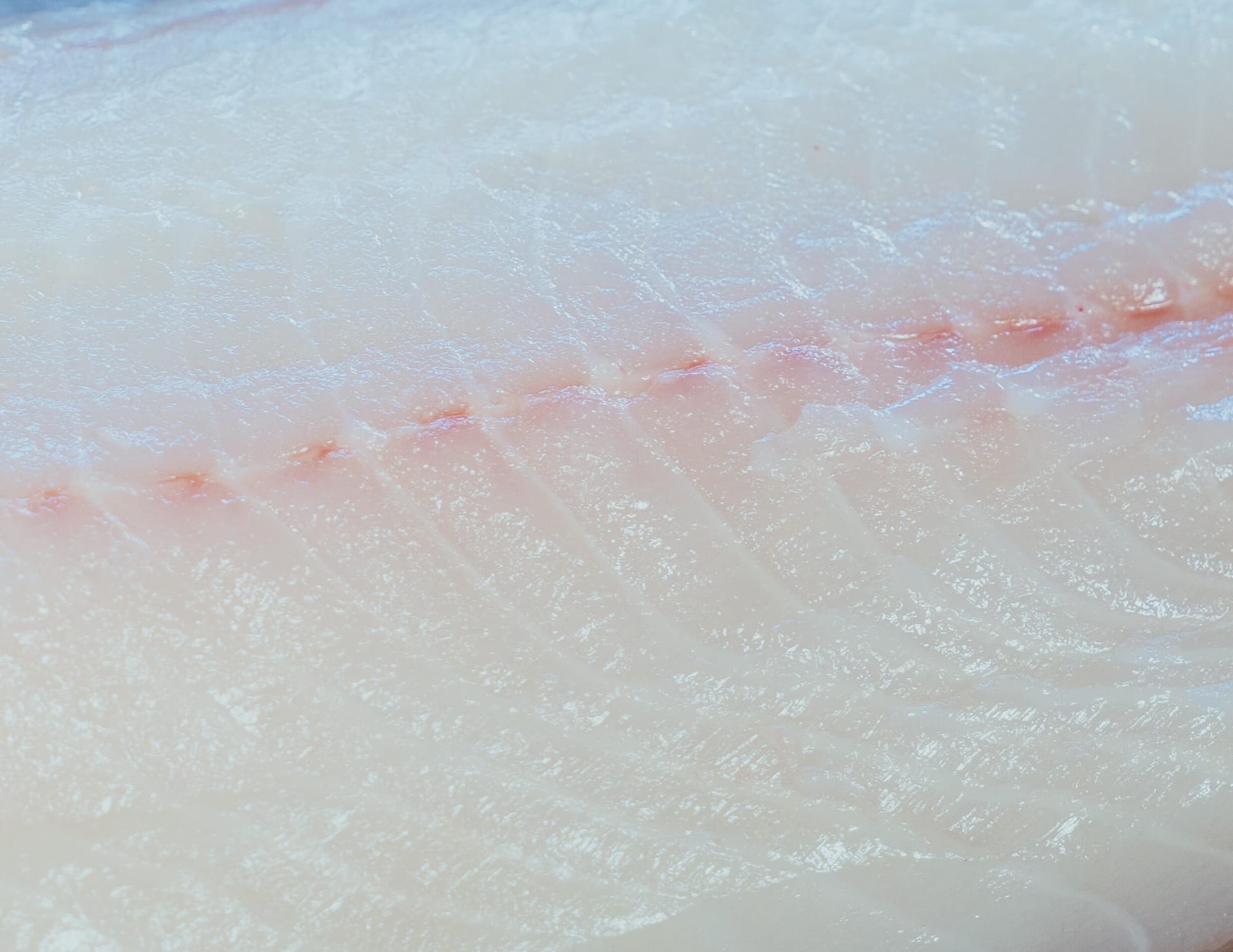
Does Fish Taste Better if a Robot Kills It?
By Jamie Feldmar
Photographs by Aleksey Kondratyev
Inside Shinkei Systems, a futuristic new startup attempting to disrupt a very old industry
“Does she need a smock?” asks the publicist.
“No, I think she’ll be outside of the splash zone,” says the cofounder, ushering me toward a large white robot in a room that smells strongly of fish.
Stationed before us is a sweet-faced young intern, garbed in a rubber apron and boots, smiling warmly as she gestures toward the machine with a dead fish in her hands. “I’d love to show you how it works,” she says. I nod.
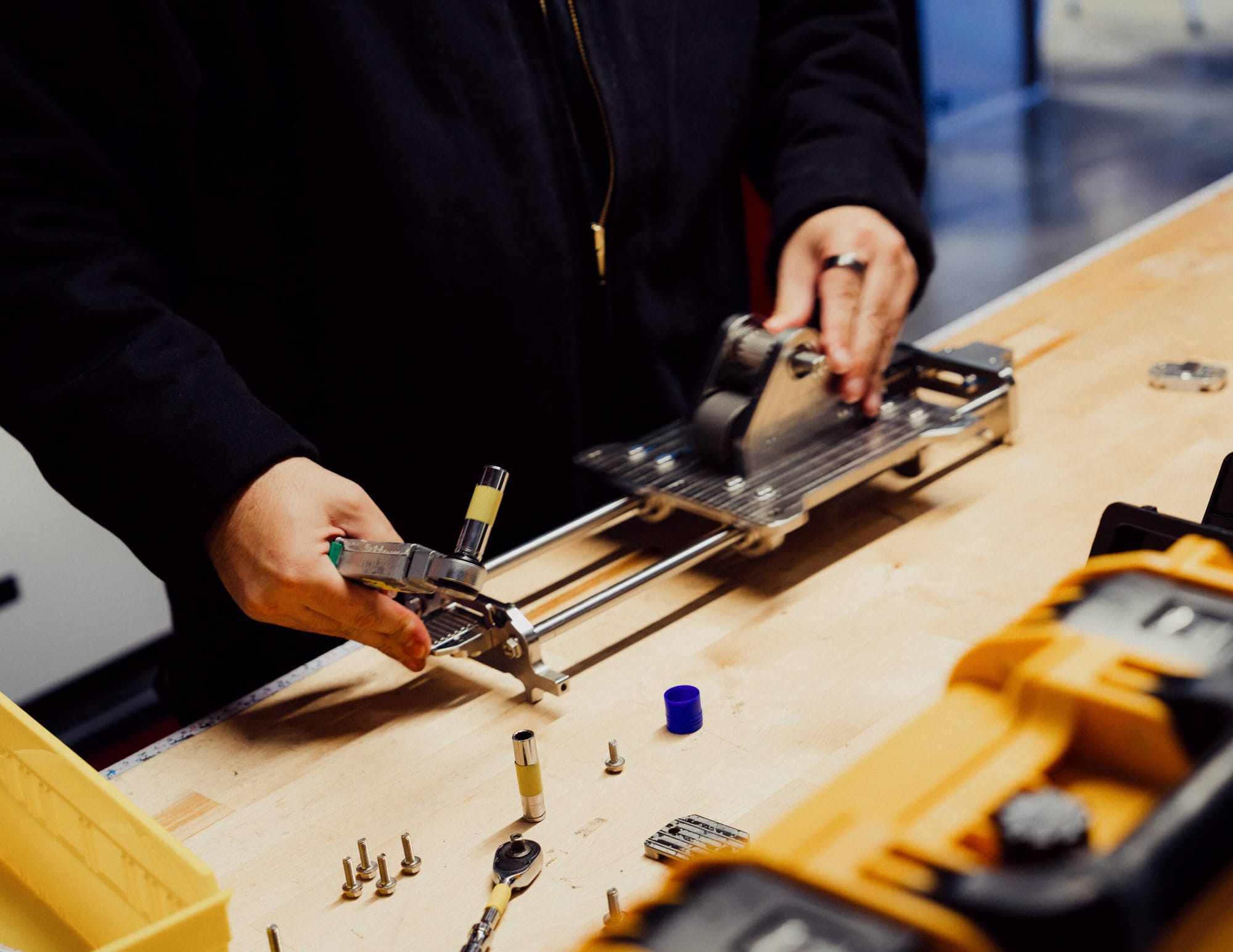
The intern steps behind the robot, which is called Posiedon, and turns it on. It’s about the size and shape of a vending machine, with a small chute in the back where the fish is placed. In the robot’s natural habitat, aboard a fishing boat, the fish would be funneled in live, writhing and wriggling shortly after departing its aquatic home, but for the purposes of this demo, in a strict no-photo zone, this fish, a black cod, is already dead. The intern feeds the cod into the chute, where cameras scan it and specialized fish-extermination A.I. determines its species, size, and the precise location of its brain and gills. A mechanism that resembles an electric drill moves into place above the fish’s head, then pierces its brain, killing it instantly. A second later, a spinning, serrated blade emerges from beneath the fish, severing its gills. Duly dispatched, the fish is pushed out the other side and deposited into an ice slurry, where the blood drains from its body. The entire process takes about five seconds.
The intern fishes the cod out of the ice and proudly points to the neat hole in its brain. “Here you go!”